'Why is this so high?' Electric bills in West Virginia now top mortgages despite Trump's promises
PBS • • business
Key Points:
- West Virginians are facing soaring electricity bills that sometimes exceed their rent or mortgage, causing significant financial distress in one of the nation's poorest, energy-rich regions. Many residents, including disabled individuals and small business owners, struggle to pay bills and face power shutoffs.
- Despite former President Trump's 2016 promise to halve electricity bills, prices have instead increased nationally, with electricity costs rising 4.8% and natural gas prices 10.9% year-over-year as of February 2024. Rising energy costs are a growing political issue ahead of upcoming elections.
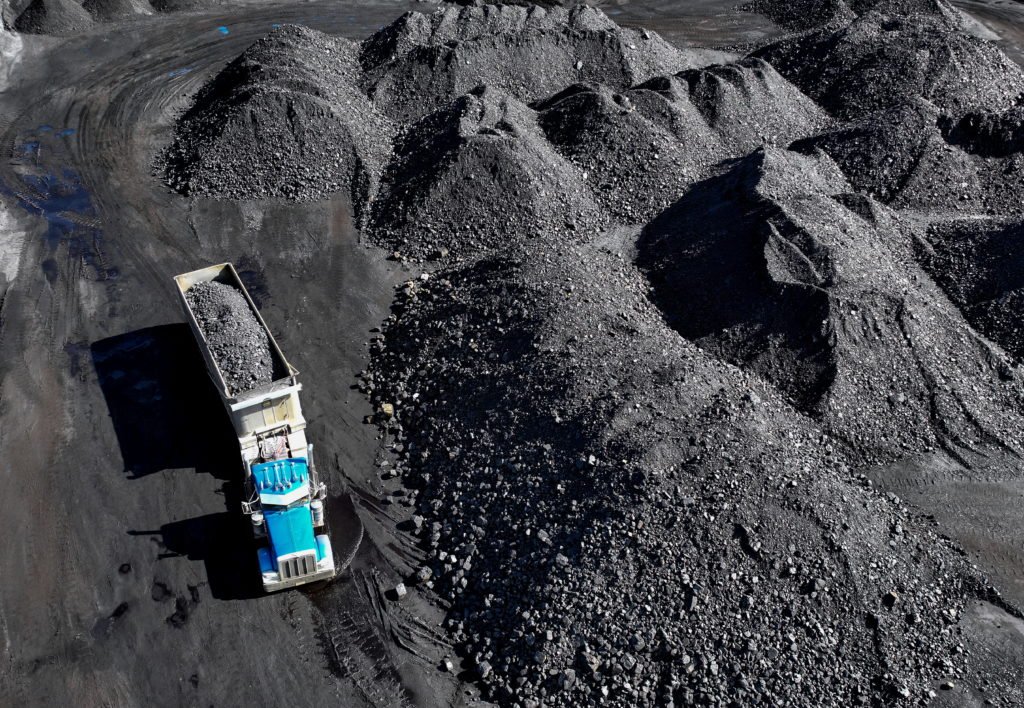
- West Virginia relies heavily on aging coal-fired power plants, constituting about 87% of its electricity production, which contributes to high rates. The state's government, dominated by Republicans, resists transitioning to cheaper, cleaner energy sources, and has supported policies to keep coal plants operational despite economic challenges.
- The state's median household income has not kept pace with inflation since 1970, exacerbating the energy burden on residents, who spend a disproportionate share of their income on utilities. Public Service Commission decisions have approved multiple rate hikes, further straining consumers.
- The expansion of power-intensive data centers in West Virginia has raised concerns about increased electricity demand and costs, with some residents protesting the lack of transparency and potential environmental impacts. Rising utility costs have led to business closures and increased hardship for families already facing economic challenges.


