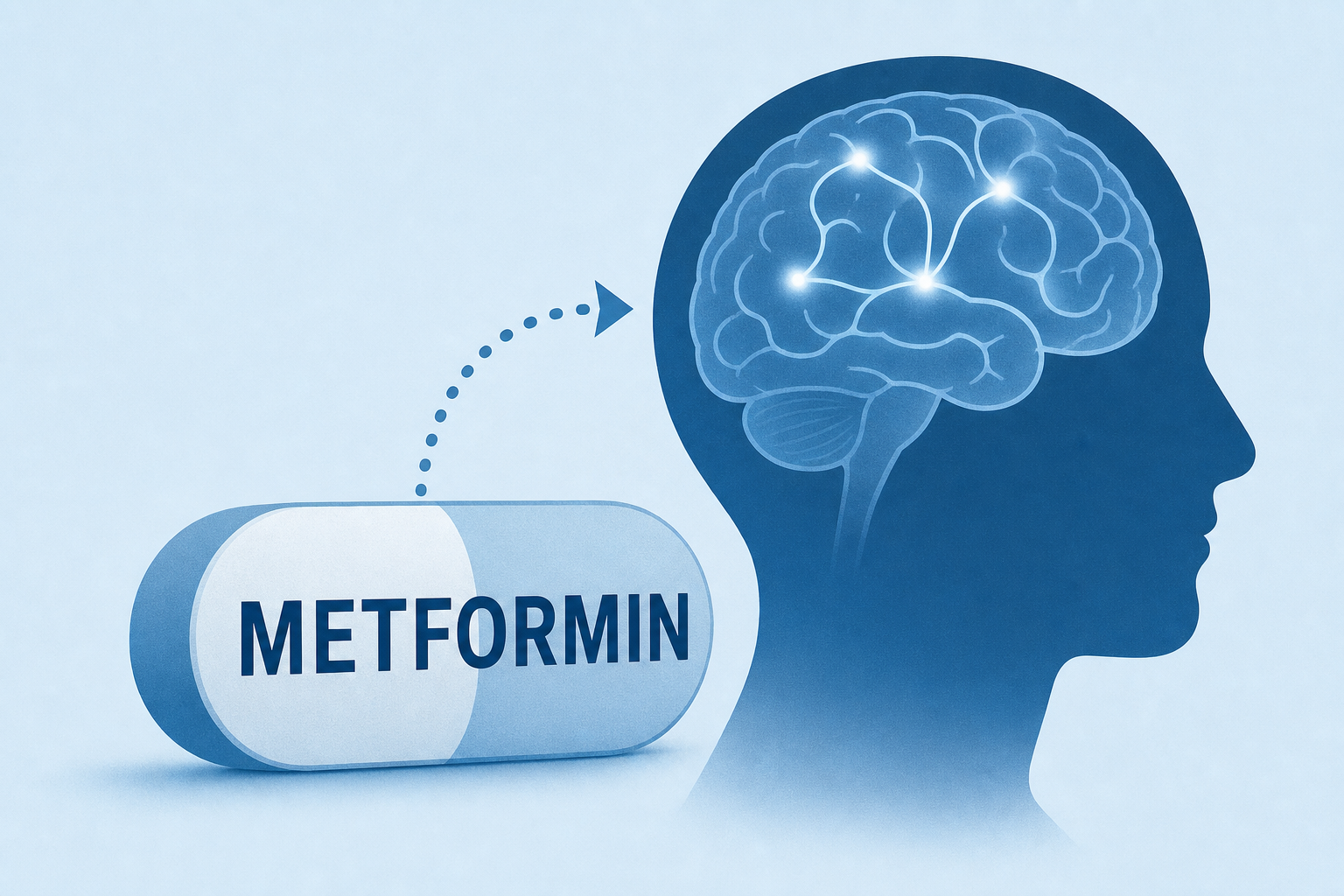
AI Generated Image
Diabetes News: Metformin’s Brain Action
Daily Kos • • health
Key Points:
- Scientists at Baylor College of Medicine have discovered that metformin, a longstanding diabetes drug, acts directly in the brain by suppressing the protein Rap1 to lower blood glucose levels.
- This brain mechanism involves metformin switching off Rap1 in a key brain region, which activates neurons that help regulate glucose, even at very low doses.
- The findings reveal a previously unknown pathway for metformin’s action beyond its known effects in the liver and gut, opening new avenues for diabetes therapies targeting the brain.
- Metformin is generally well tolerated but can cause side effects such as diarrhea, nausea, and abdominal pain, which limits its use for some patients.
- Rap1 is a small GTPase involved in cellular signaling, particularly in cell adhesion and junction formation, and its inhibition in the brain is now linked to blood sugar regulation by metformin.


