AI Image
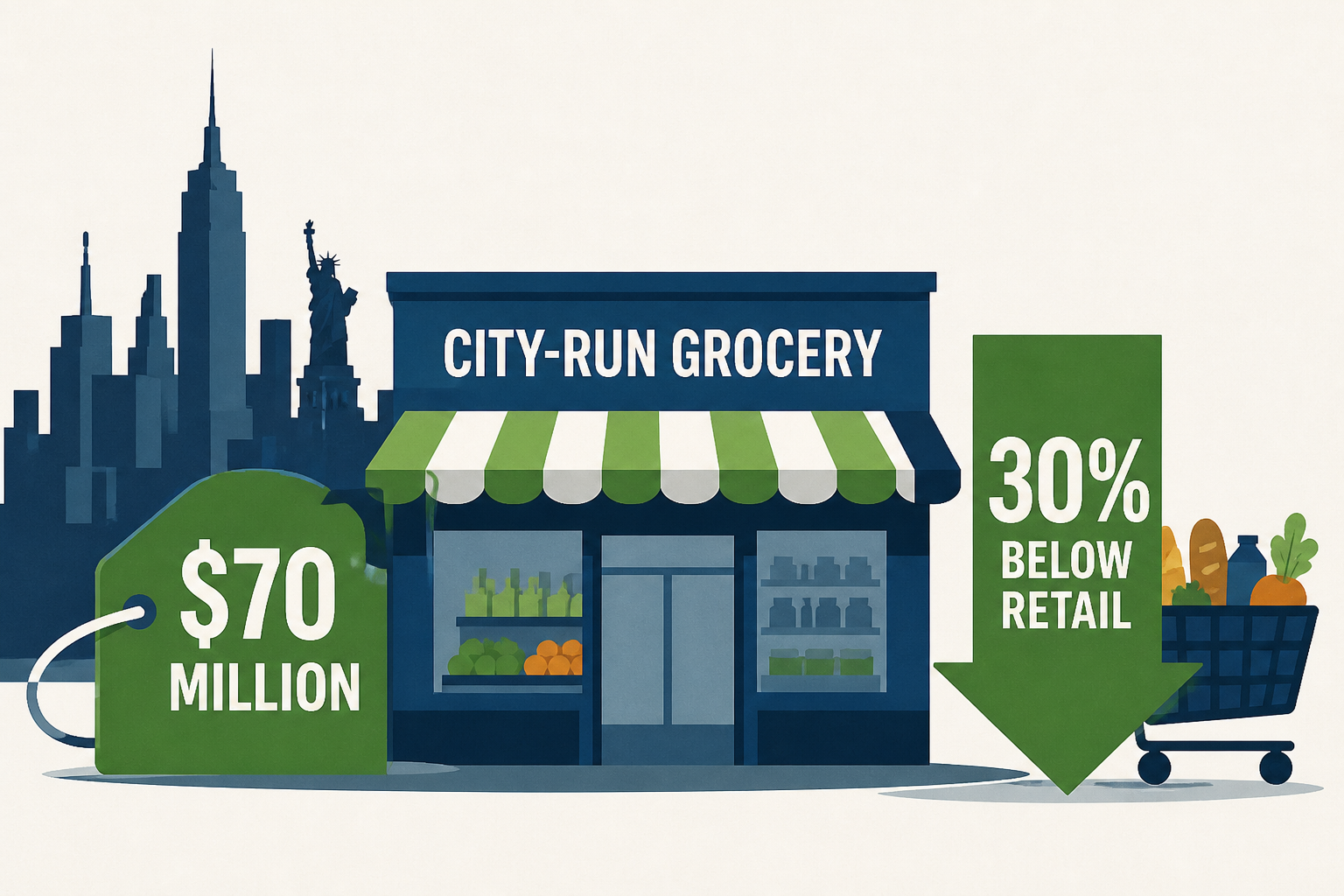
NYC is spending $70 million on 5 city-run grocery stores pricing essentials 30% below retail
Fortune • • business
Key Points:
- New York City plans to open five municipal grocery stores in lower-income neighborhoods, offering essentials at prices 30% below typical retail, aiming to provide a visible public option alongside private supermarkets.
- The initiative has sparked opposition from independent grocers and trade groups concerned about competition, reflecting broader tensions over government involvement in consumer goods provision.
- Historically, New York's food retail landscape has been shaped by government policies and subsidies, though these efforts often remain invisible to consumers; this new model emphasizes transparency and accountability by clearly branding the stores as government-supported.
- Unlike previous programs that incentivized private supermarket development without price controls, the municipal stores explicitly prioritize affordability and make government’s role in food access more apparent to shoppers.
- While concerns exist about the impact on small, immigrant-owned grocers, past examples like East Harlem’s Pathmark suggest coexistence is possible; the city must ensure quality service, genuine savings, fair labor conditions, and monitor effects on local businesses.


