AI Image
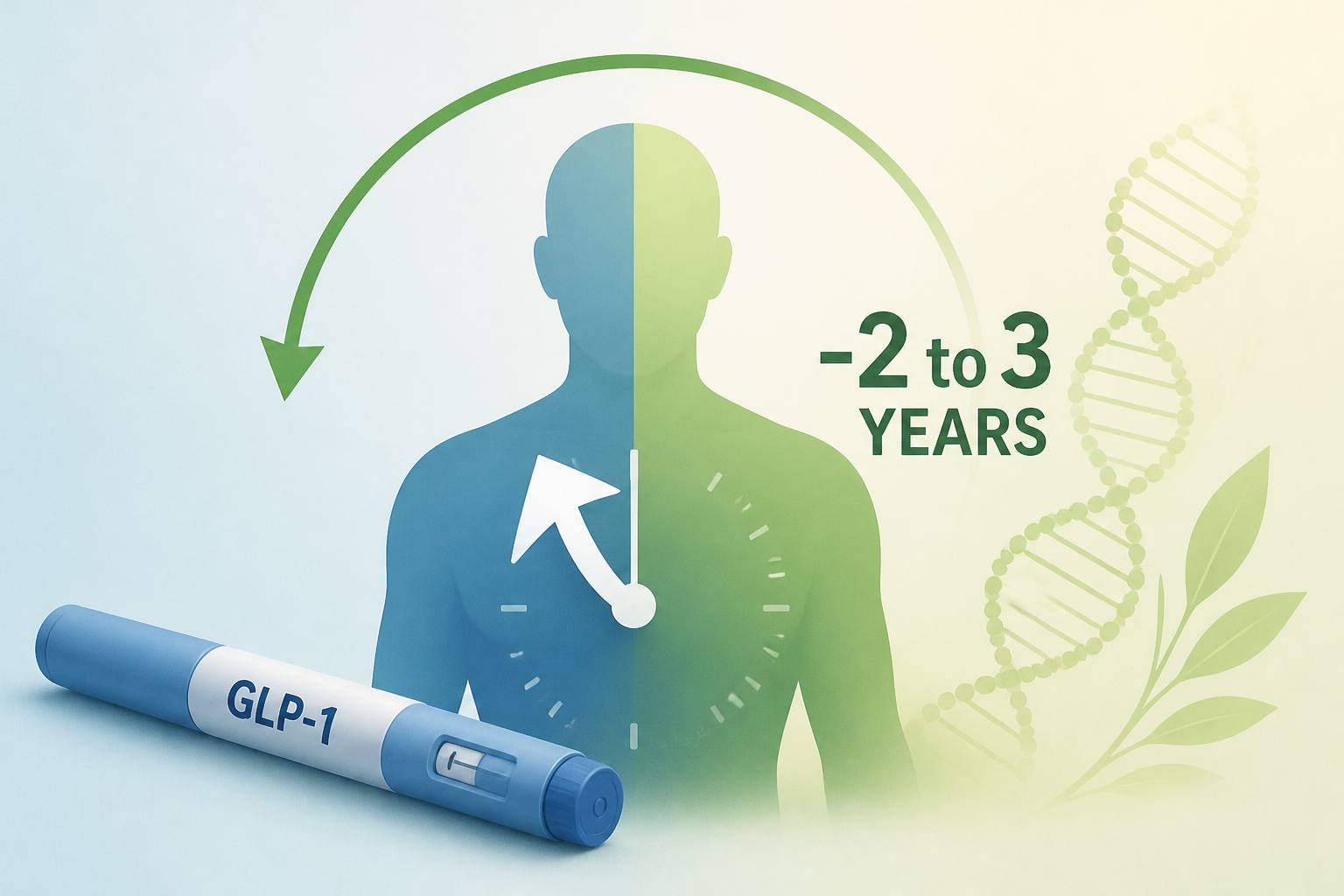
GLP-1 drugs can ‘reverse biologic aging’ by two to three years
New York Post • • health
Key Points:
- Weight loss drugs known as GLP-1 medications, produced by Eli Lilly and Novo Nordisk, have been found to potentially slow biological aging, with studies showing a reduction in biological age by two to three years in overweight or diabetic patients.
- Research presented at the Aging Research & Drug Discovery conference used proteomic and epigenetic aging clocks to measure the effects of drugs like semaglutide and tirzepatide, revealing significant slowing of molecular aging, especially in heart-related proteins.
- GLP-1 drugs not only aid weight loss but also improve health metrics such as blood pressure and cholesterol, contributing to their anti-aging effects through both weight-dependent and independent mechanisms.
- While promising, it remains uncertain if these anti-aging benefits extend to healthy individuals without obesity or type 2 diabetes, and the medications do carry side effects that must be considered.
- Experts describe GLP-1 drugs as geroprotectors that may slow or partially reverse biological aging, marking a significant advancement in longevity research, though the reversal is measured in years rather than decades.


