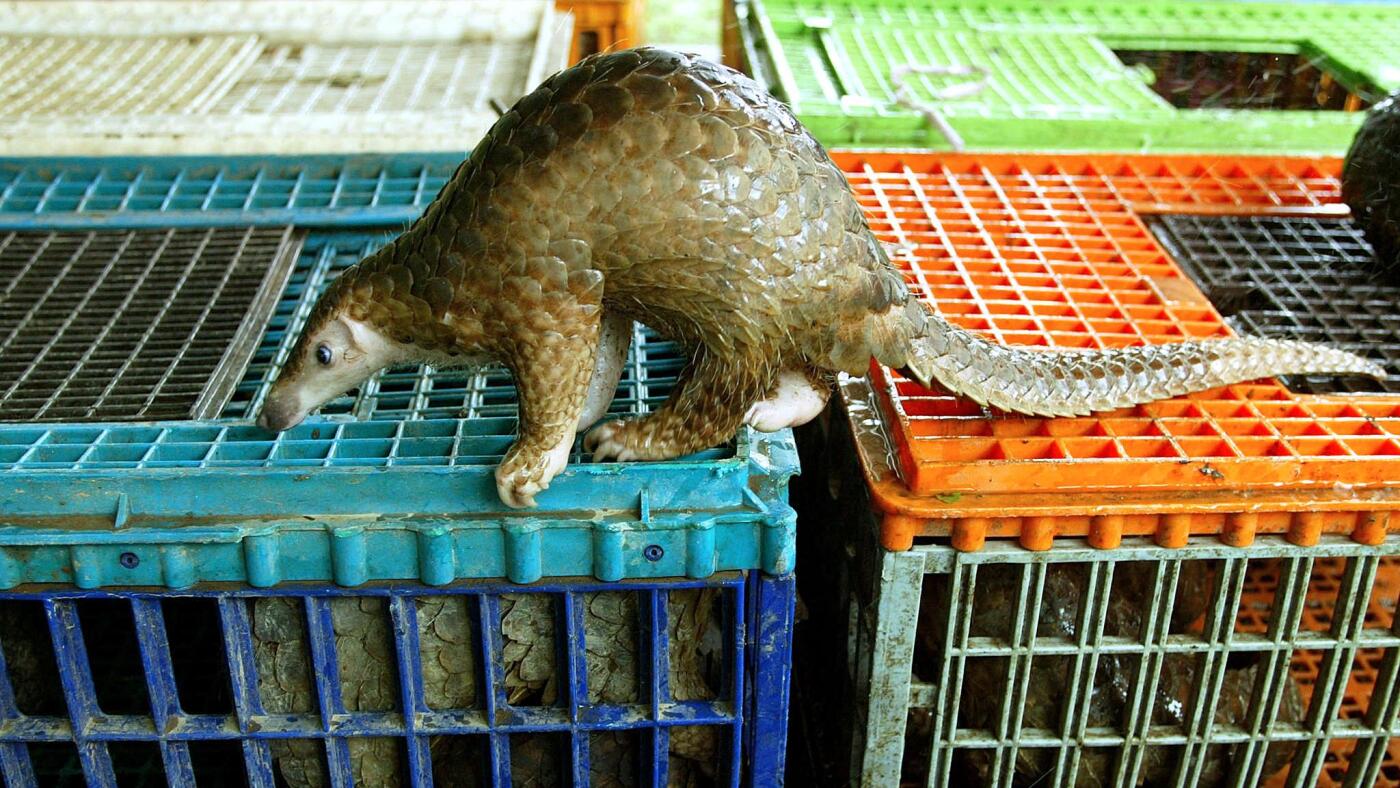
How bad for humans is wildlife trade? A new study has answers
NPR • • general
Key Points:
- A new study published in Science shows that traded mammals are about 1.5 times more likely to be sources of human diseases compared to non-traded species, highlighting the wildlife trade as a significant risk factor for zoonotic spillovers.
- The research found that 41% of over 2,000 traded mammal species share at least one pathogen with humans, versus just 6.4% of non-traded species, with live animal markets and illegal wildlife trade posing especially high risks due to poor conditions and hygiene.
- The longer a species has been involved in the wildlife trade, the more viruses it shares with humans, with an additional pathogen jumping to humans for every ten years of trade, indicating persistent and growing risks.
- Experts emphasize that reducing zoonotic disease risk requires global efforts to regulate or curb the wildlife trade, but caution that strict crackdowns could push trade underground, complicating surveillance and public health interventions.
- The study underscores the role of consumer demand in driving the wildlife trade and zoonotic outbreaks, urging individuals to reconsider purchasing exotic pets or wildlife products to help prevent future pandemics.


