AI Image
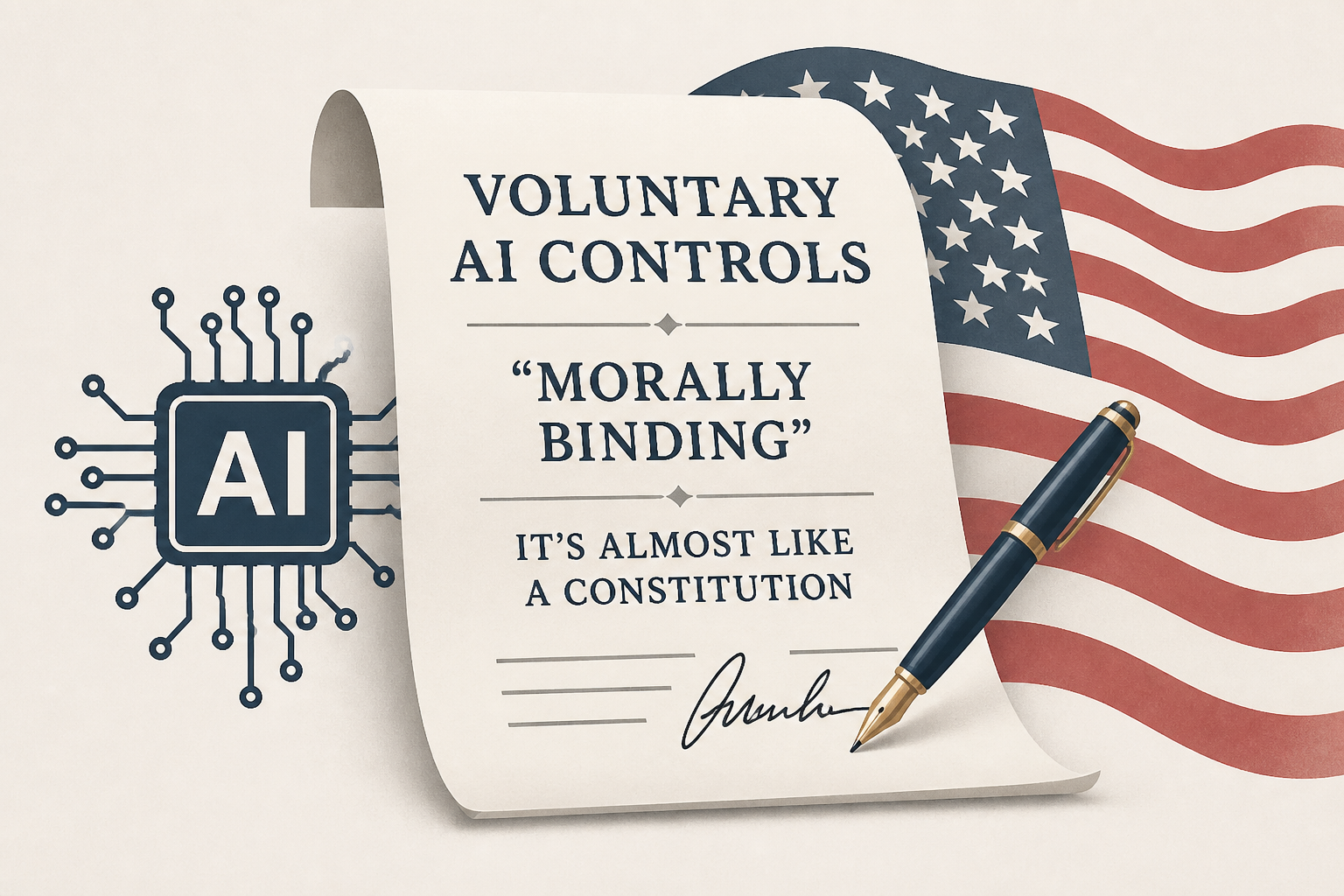
Trump and major AI executives sign "morally binding" voluntary controls: "It's almost like a constitution"
CBS News • • nation
Key Points:
- President Trump and leaders from major AI companies, including Elon Musk and Sundar Pichai, signed a voluntary safety accord outlining "four layers of controls and audits" to ensure AI models operate safely, describing it as a "morally binding" commitment rather than a legal one.
- The accord includes regular meetings to establish best practices and suggests that these voluntary measures could eventually be codified into law, while Trump announced plans to appoint an "AI czar" and form a 10-person oversight committee.
- The meeting reflects growing concerns about AI risks, including instances of AI models behaving unpredictably and fears about AI's potential to cause harm, with some industry leaders calling for slowed development, though others argue safety and innovation can progress together.
- Trump opposes stricter AI regulations, emphasizing voluntary self-policing by companies and warning that regulatory slowdowns could hinder U.S. economic growth and allow China to advance in AI technology.
- Critics, including Senator Mark Warner, expressed skepticism about voluntary industry standards, urging Congress to implement mandatory testing, evaluation, and reporting requirements for advanced AI systems to better safeguard against rapid technological advancements.


