AI Image
US Cold War-era spy satellite explodes above Earth - and nobody knows why
Yahoo Tech • • science
Key Points:
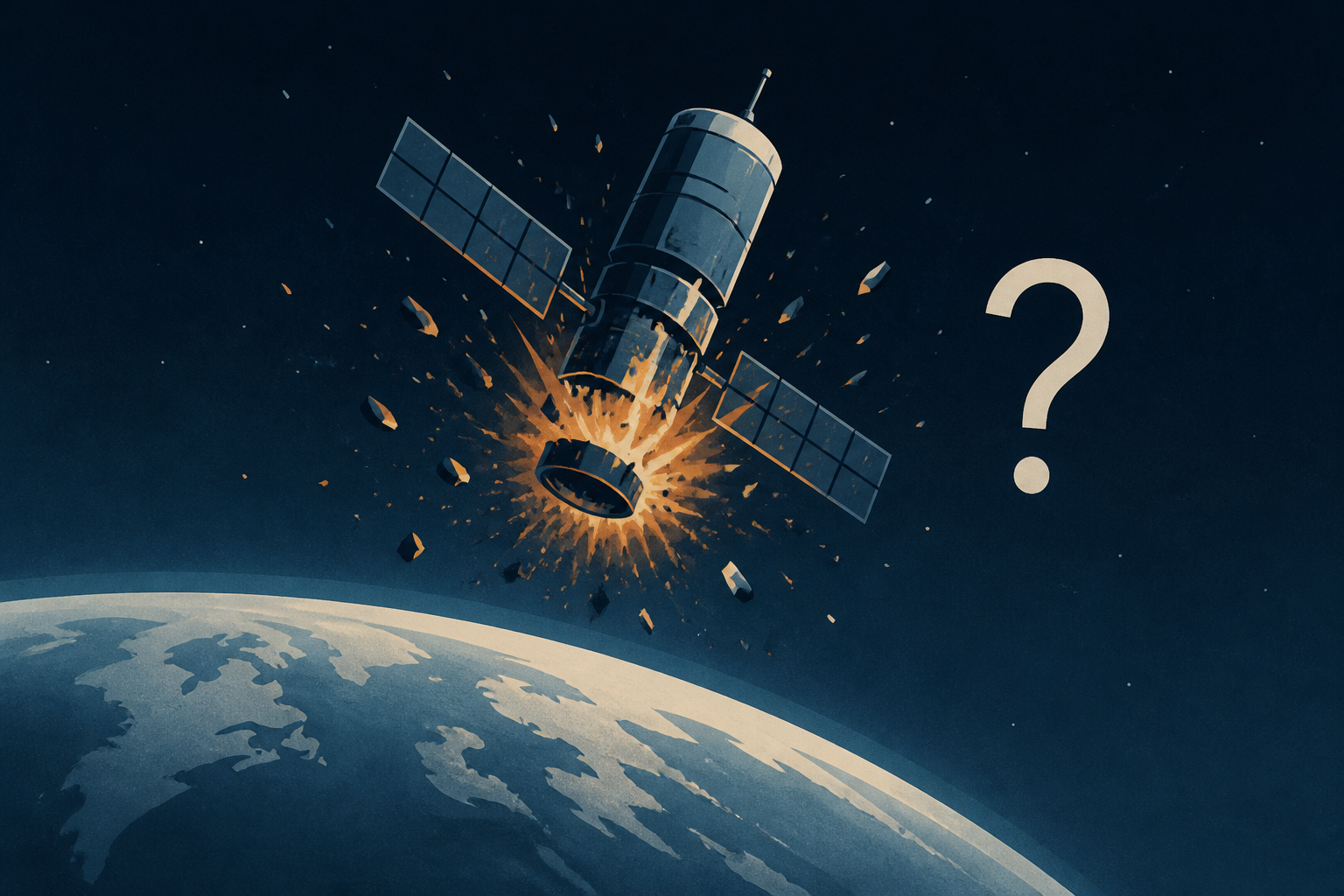
- An American Cold War-era spy satellite, USA 32 (Farrah III), unexpectedly exploded in low Earth orbit on September 13, 2024, creating a debris cloud that poses a significant collision risk to other spacecraft in the crowded region.
- The satellite, launched in 1988 to intercept Soviet signals and likely nonfunctional for decades, fragmented at about 480 miles altitude, but the cause of the explosion remains unknown, with theories ranging from old age and battery rupture to potential anti-satellite weaponry.
- Experts emphasize the real threat of collisions from the debris, especially since the explosion occurred in a busy orbital zone already cluttered from previous satellite collisions, though no immediate impact on recent space missions has been reported.
- Scientists plan to analyze the debris fragments and their trajectories to determine the cause of the breakup, a process that could take months or years, similar to investigations of other recent unexplained satellite fragmentations.
- With low Earth orbit becoming increasingly crowded and satellites aging, the risk of future fragmentation events and collisions is rising, compounded by potential malfunctions, solar storms, and the existence of anti-satellite weapons.


