AI Image
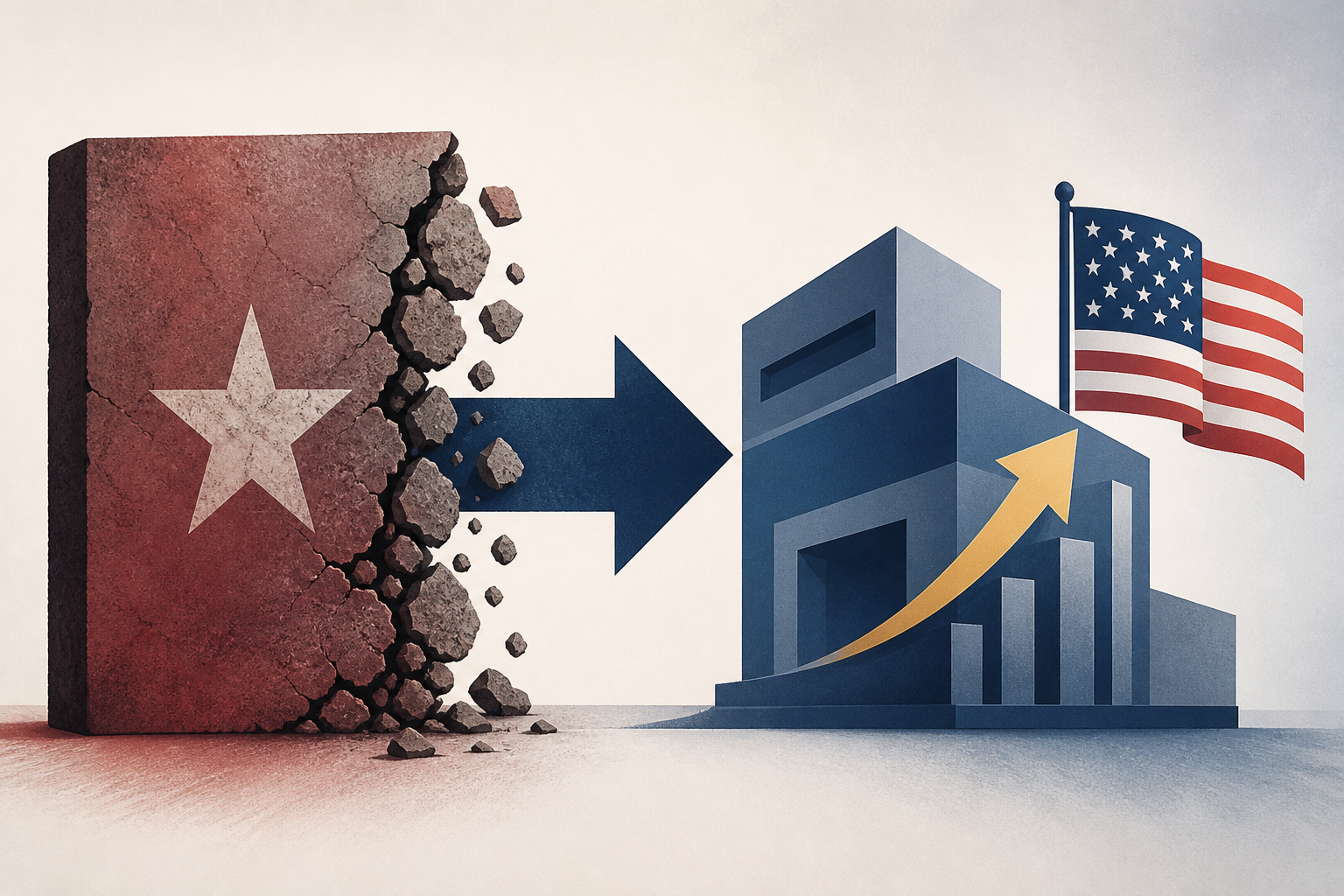
Venezuela's Interim President Suggests Privatizations, Cementing Break With Socialism and Close U.S. Ties
Yahoo • • world
Key Points:
- Interim Venezuelan President Delcy Rodríguez announced new policies aimed at liberalizing the economy, including assessing non-essential state assets for privatization or return to former owners, signaling a shift from Nicolás Maduro's interventionist tenure.
- Rodríguez pledged four quarterly minimum wage increases in 2027, each at least matching the previous quarter's economic growth, and promised political reforms such as elections overseen by a new National Electoral Council, criminal justice reform, and protection of peaceful protests.
- The new policies suggest a reversal of Maduro-era asset seizures, which were often justified by laws targeting "anti-government activities," but skepticism remains among Venezuelans about the government's commitment to these promises.
- Rodríguez's speech came just before opposition leader María Corina Machado's return from exile, with analysts suggesting the economic and political pledges may be aimed at garnering electoral support amid upcoming elections.
- Despite official commitments, critics like journalist Julio Blanca highlight past government failures to implement reforms, including the continued detention of political prisoners despite earlier promises of release.


