AI Image
Why “normal range” doesn’t always mean healthy on your lab results
AOL.com • • health
Key Points:
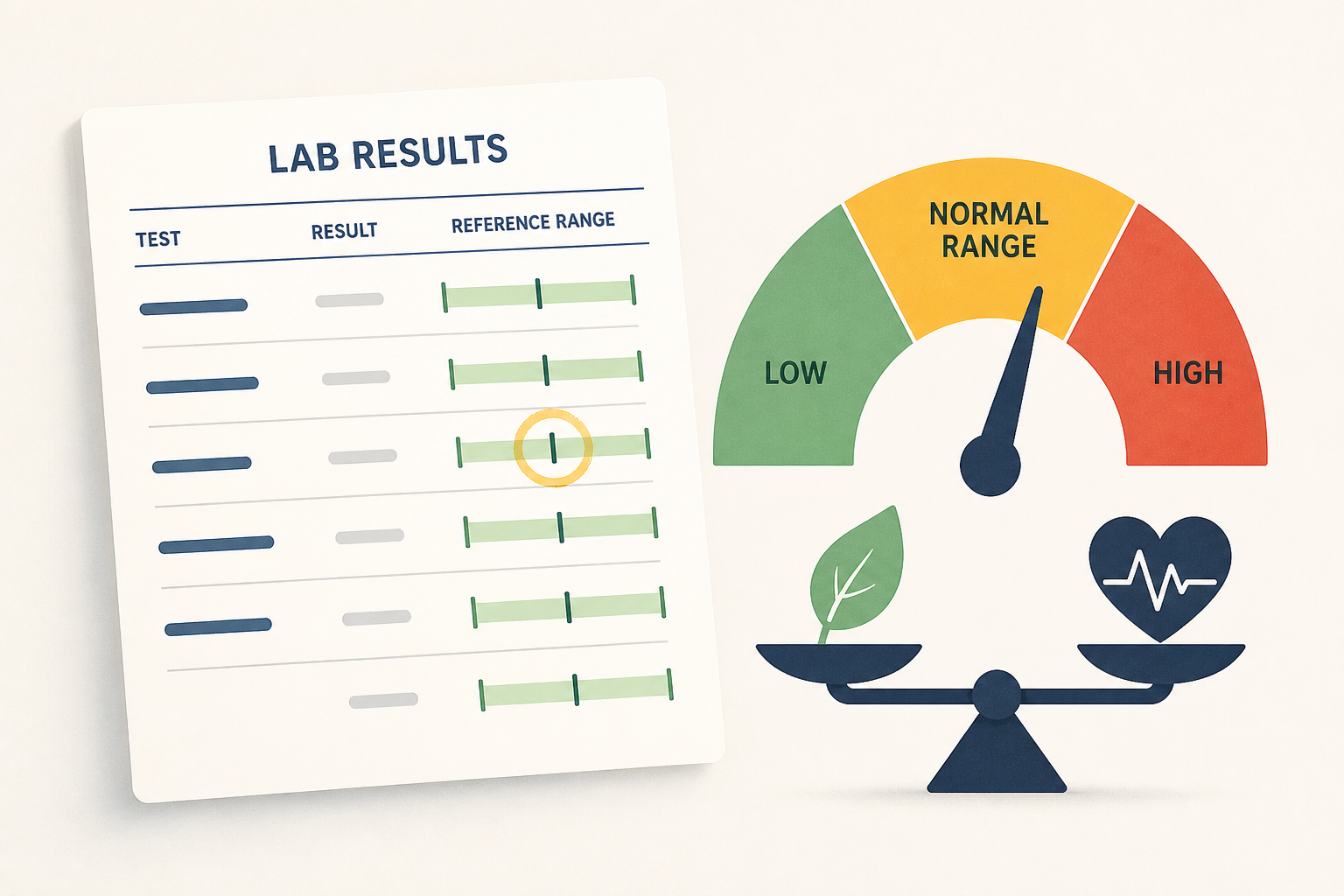
- Lab "normal" ranges are based on the middle 95% of tested individuals, including those with undiagnosed illnesses, meaning normal often reflects average sick populations rather than optimal health.
- Standard reference ranges, such as for TSH and triglycerides, may be too broad or outdated, ignoring research that suggests tighter ranges correlate with better health outcomes.
- Variability between laboratories and their equipment leads to inconsistent reference ranges, causing identical samples to be interpreted differently depending on the facility.
- Age, gender, and lifestyle differences are often overlooked in standard lab ranges, resulting in one-size-fits-all benchmarks that may not reflect individual health needs.
- Pharmaceutical influences and population health trends have shifted what is considered "normal," such as lowered cholesterol targets following widespread statin use, potentially masking true optimal health levels.


